The Architecture of Curves: Mastering Light for Every Silhouette


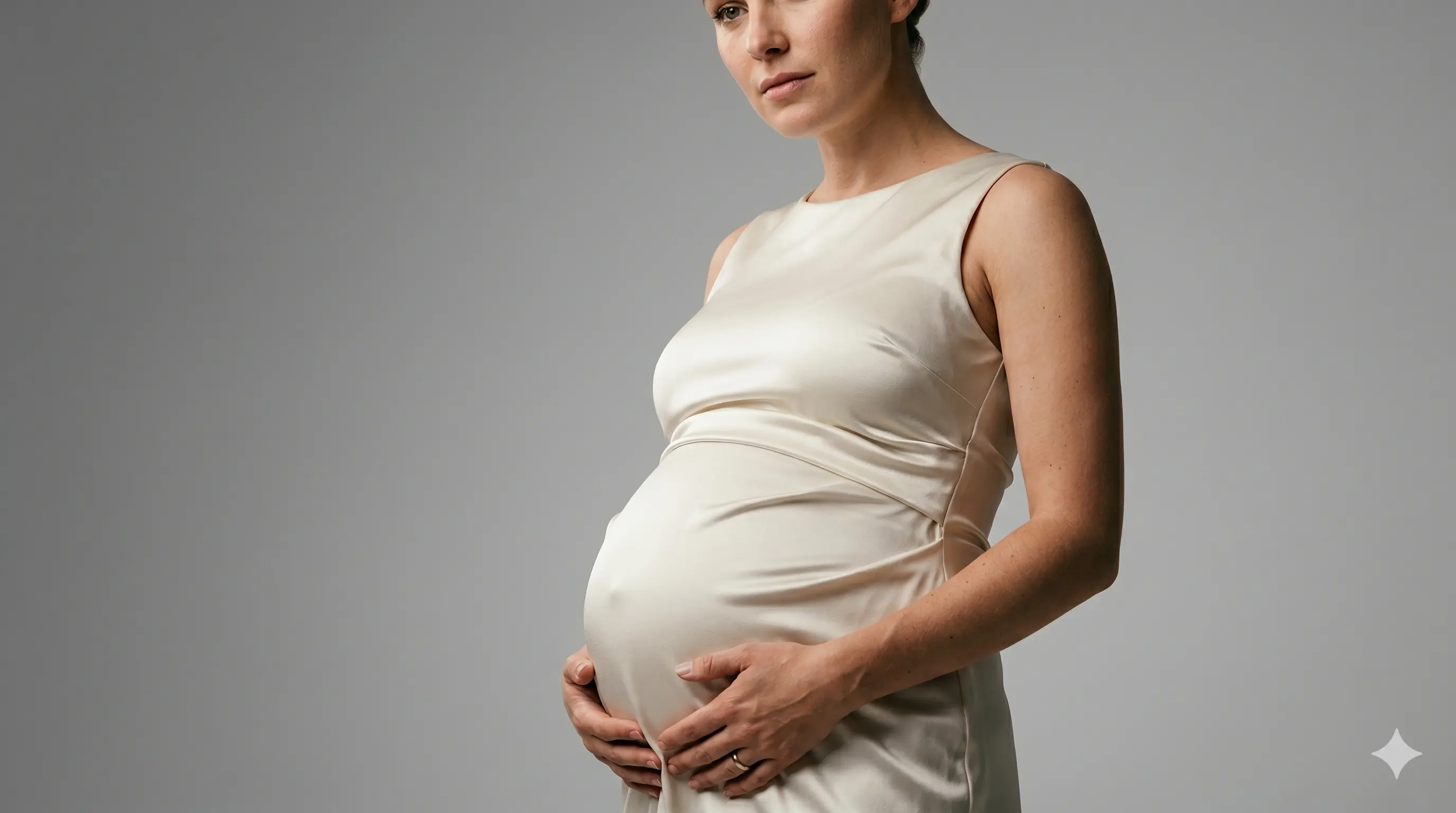
In the realm of high-fashion portraiture, the goal is never to simply document a subject but to sculpt a masterpiece through the deliberate application of light and shadow. When approaching a plus-size maternity session, the technical focus shifts toward the architecture of the body. Achieving an editorial finish requires moving away from the flat, forgiving nature of natural light and embracing the precision of studio strobes. By utilizing specific lighting patterns like short lighting and rim lighting, a professional can define form, create depth, and produce a result that is both iconic and technically superior.
The Geometry of Short Lighting: Defining the Silhouette
Short lighting is one of the most effective technical tools for creating a slim, sculpted appearance while emphasizing the beautiful curves of a maternity silhouette. In this setup, the side of the face or body that is turned away from the camera receives the most light, while the side closest to the camera remains in shadow.
Creating Depth and Dimension
This technique is essential for plus-size portraiture because it utilizes shadows to narrow the appearance of the subject. Instead of "washing out" features with broad, flat light, short lighting creates a three-dimensional effect. The shadows act as a structural element, carving out the jawline and the slope of the maternity belly. When executed with high-output strobes at a 5600K color temperature, the transition from highlight to shadow is crisp and intentional, providing the "Expert Narrative" that distinguishes luxury photography from casual snapshots.
Modifier Selection for Directional Control
To achieve this level of precision, the choice of light modifiers is critical. Large softboxes with grids are often preferred because they allow the light to remain soft on the skin while preventing "spill" into the shadow areas. This control is what allows for the dramatic, high-contrast look that defines a maximalist aesthetic.

Rim Lighting: The Art of Separation
One of the most common challenges in studio photography is ensuring the subject does not "blend" into a dark or complex background. Rim lighting, or hair lighting, serves as the technical solution to this problem, particularly when working with dark, couture fabrics or rich, deep-toned backdrops.
Sculpting the Outline
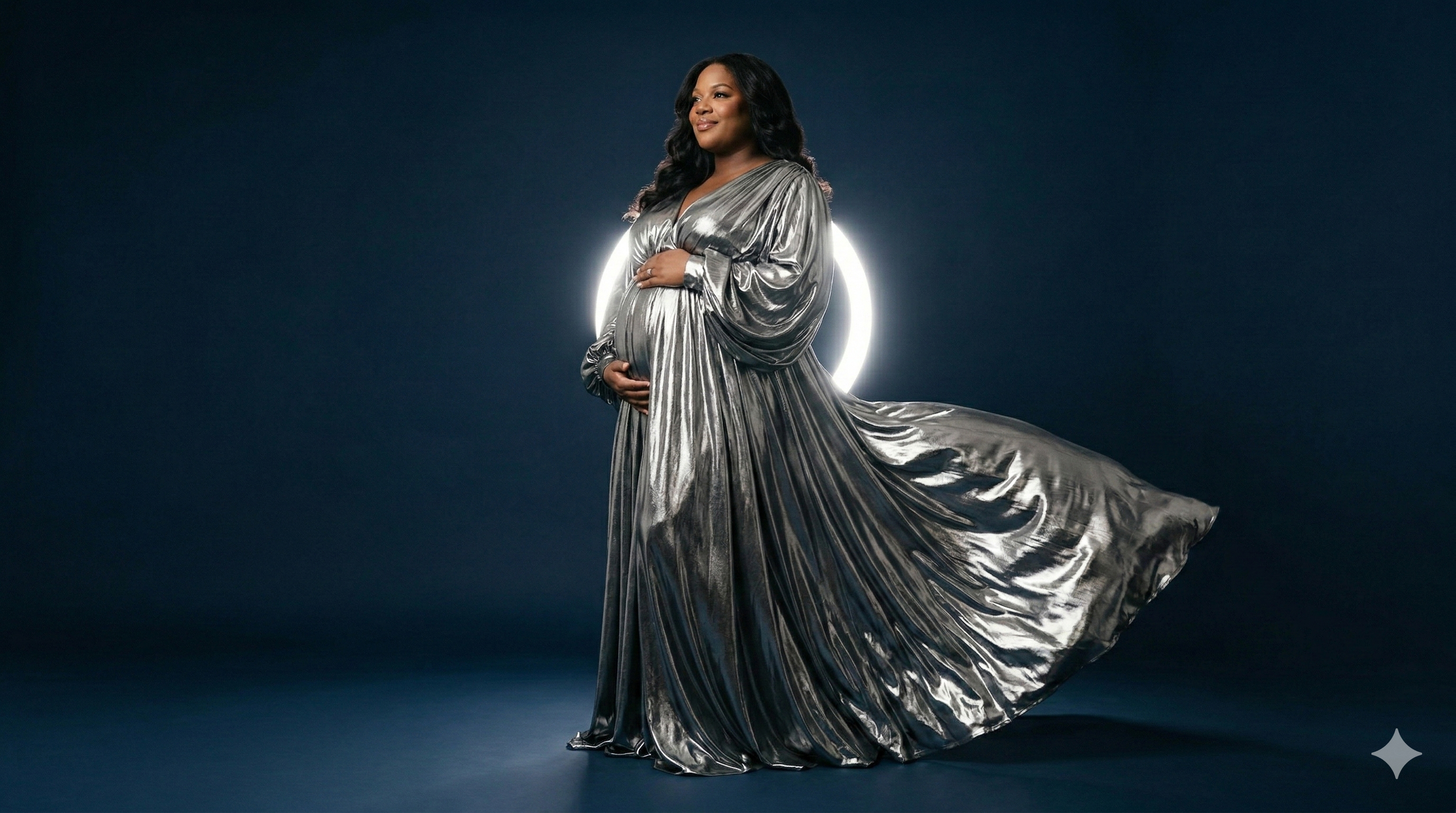
A rim light is placed behind the subject, angled back toward the camera. This creates a thin, brilliant "rim" of light along the edges of the silhouette. For a plus-size maternity subject, this light serves to highlight the curve of the back, the crown of the head, and the beautiful arc of the pregnancy. It provides a sharp separation from the background, giving the image a professional, layered quality.
Enhancing Texture and Detail
When rim lighting interacts with high-end materials like lace, silk, or sequins, it reveals the intricate textures that flat lighting would otherwise hide. This is a key component of the "maximalist" style. The light catches the individual fibers and reflective surfaces, adding a level of technical detail that signals a high-production value.
Posing as Structural Direction
Technical lighting must be paired with authoritative posing direction to be effective. In a luxury editorial context, posing is not about hiding the body but about emphasizing its strength and grace.
The Power of Angles and Levels
The directive often involves shifting weight to create "S" curves and utilizing various levels to add visual interest. By directing the subject to elongate the neck or adjust the placement of the hands, a professional can ensure that the strobe light hits the body at the most flattering angles. This is a collaborative process where the photographer acts as the "Professional Best Friend," offering clear, technical guidance to achieve an artistic result.
Avoiding the "Candid" Trap
While "lifestyle" photography often relies on unposed, candid moments, editorial work is characterized by its intentionality. Every finger placement and head tilt is part of the architectural whole. This structured approach ensures that the final portrait is a polished, couture work of art rather than an accidental capture.
Color Theory and Strobe Interaction
The final pillar of mastering the plus-size silhouette is the intersection of color theory and studio lighting. Certain hues transform when hit with professional 5600K strobes, and selecting the right palette is essential for a high-fashion ROI.
Deep Pigments and Highlight Retention
Deep, saturated colors like emerald, ruby, or midnight blue are excellent choices for sculpting forms. These colors hold shadows beautifully, allowing the short lighting and rim lighting to do their work effectively. Under the intense, controlled light of a studio flash, these pigments appear vibrant and rich, providing a sharp contrast to the skin tones and the studio environment.
Texture and Light Fall-off
The way light "falls off" a fabric is a technical detail that defines the luxury aesthetic. High-quality strobes provide a consistent, predictable light quality that allows the photographer to control exactly how much of the garment is visible and how much is lost to the artistic shadows. This mastery of light fall-off is what creates the "Editorial Boss" or "Ice Queen" archetypes mentioned in professional brand guidelines.